Digital Wallets Meet Traditional Banking: Enabling Automated Invoice Settlements
Written by Harper Coleman · Aug 25, 2026
Digital Wallets Meet Traditional Banking: Enabling Automated Invoice Settlements
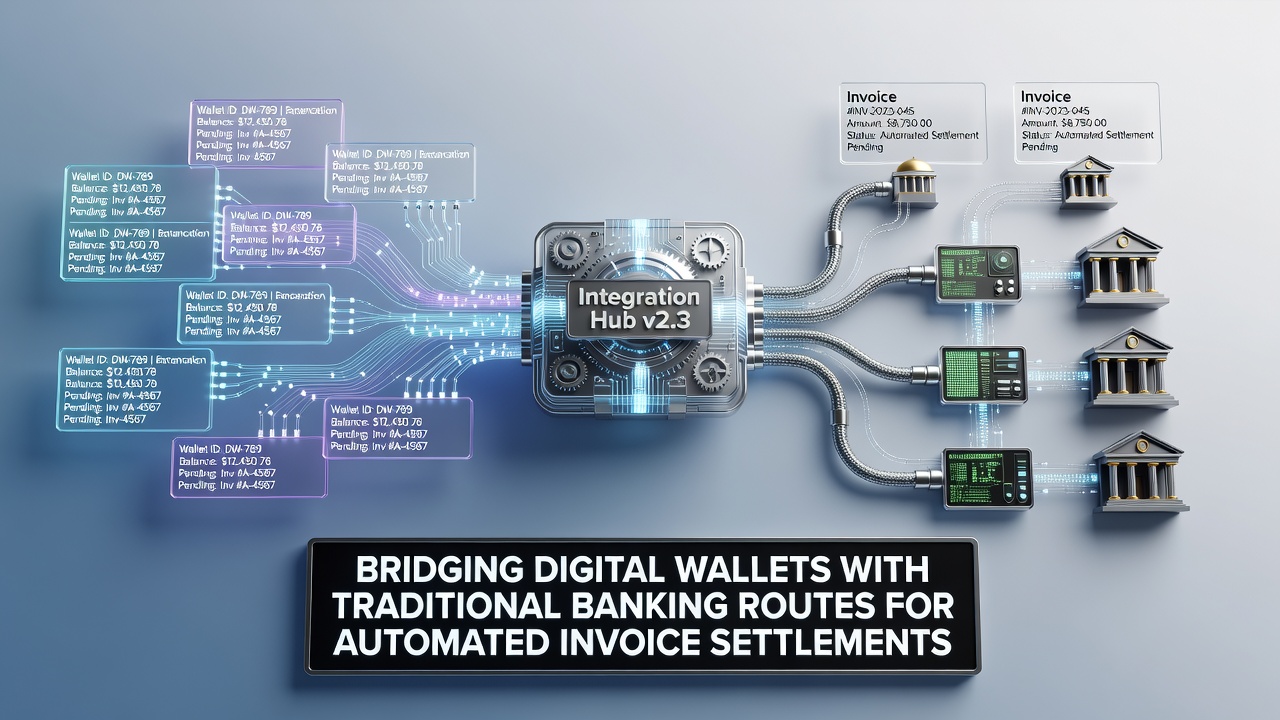
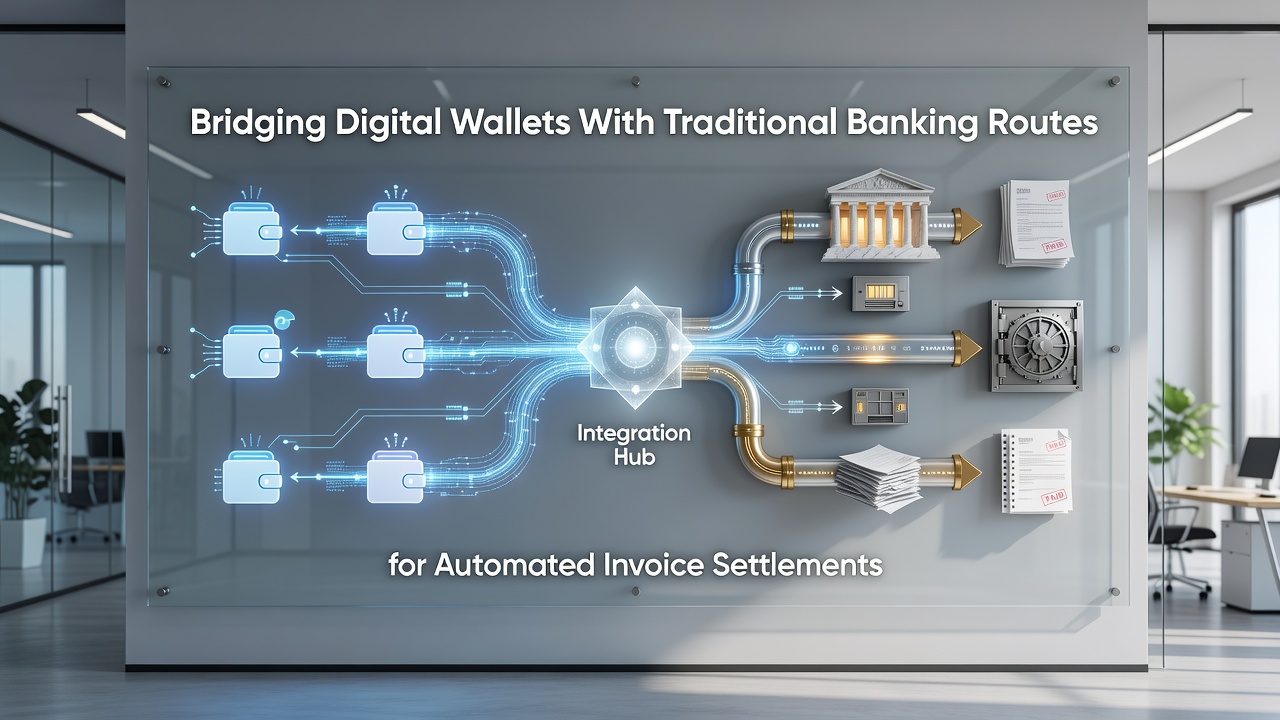
Digital wallets now link directly to established banking infrastructure, creating pathways that move funds from mobile applications into corporate accounts without repeated manual steps. Companies route invoice data through these connections so payments trigger automatically once verification completes. Banks supply the settlement rails while wallet providers handle user authentication and balance checks, and this combination reduces delays that once stretched across several business days.
Core Integration Mechanisms
Application programming interfaces serve as the primary bridge, transmitting invoice details, authorization tokens, and account references between wallet platforms and core banking systems. Traditional routes such as ACH networks in North America or SEPA transfers in Europe receive instructions from these APIs, execute the debit from the payer's linked account, and credit the recipient within defined time windows. Real-time messaging protocols further tighten the loop by confirming receipt almost instantly, which allows accounting software to update ledgers without additional reconciliation batches.
Data indicates that organizations adopting these links report fewer errors in payment matching because unique identifiers travel alongside each transaction. When an invoice reaches maturity, the system pulls the required amount from the wallet balance or the connected bank account, routes it through the chosen rail, and returns a confirmation code that closes the record automatically.
Operational Flow in Practice
An accounts payable team uploads an invoice into its enterprise system, the platform queries the payer's wallet for available funds, and approval flows back through encrypted channels. Once cleared, the banking route processes the settlement, deducts any fees at the network level, and posts the net amount to the supplier's ledger. Observers note that this sequence typically completes in hours rather than the multi-day cycles common with paper-based approvals.
Security layers include tokenization of account numbers, biometric checks at the wallet layer, and fraud scoring engines that evaluate transaction patterns before funds move. When anomalies surface, the system holds the payment and notifies both parties through automated alerts, preserving the audit trail required for regulatory compliance.
Regional Developments and Standards
In August 2026, several central banks plan to expand instant payment schemes that accept wallet-originated instructions, extending coverage to additional currencies and time zones. The Federal Reserve's ongoing work on faster payment rails provides one reference point, while the Bank for International Settlements tracks similar initiatives across Asia-Pacific markets. These updates allow companies operating across borders to schedule settlements that align with local banking hours without manual intervention.
Industry reports from the Organisation for Economic Co-operation and Development highlight how standardized messaging formats reduce the cost of cross-border invoice handling by limiting the need for currency conversion intermediaries. Companies that map their existing ERP systems to these formats gain access to multiple rails through a single integration point.
Security and Compliance Considerations
Regulators require that wallet-to-bank connections maintain the same anti-money-laundering controls applied to conventional transfers. Transaction monitoring tools scan for unusual volumes or geographic mismatches, then flag items for human review when thresholds are crossed. Audit logs generated at each hop satisfy record-keeping mandates in jurisdictions that demand multi-year retention of payment data.
Encryption standards protect data in transit, and key rotation schedules limit exposure windows. When a wallet provider updates its security protocols, the connected banking systems receive notification through established change-management channels so that settlement continuity remains intact.
Implementation Examples
One mid-sized manufacturer integrated its invoicing platform with a regional bank and a popular digital wallet, resulting in automated collections that previously required separate staff assignments. The system now pulls payer details from the wallet profile, routes the request through ACH, and marks the invoice paid upon confirmation receipt. Another service firm operating in multiple provinces adopted similar links to handle both domestic and select international invoices, relying on the same API layer to switch between settlement options based on payer location.
Conclusion
Connections between digital wallets and traditional banking routes continue to mature through standardized APIs and expanding instant-payment networks. Automated invoice settlements rely on these links to move funds securely while preserving compliance records and reducing manual reconciliation. As additional jurisdictions activate enhanced rails in the coming periods, organizations gain more options for routing payments without altering their core financial systems.