Examining PayPal Integration and Its Impact on Fraud Prevention in Recurring Invoice Payments
Written by Ines Peters · Sep 2, 2026
Examining PayPal Integration and Its Impact on Fraud Prevention in Recurring Invoice Payments
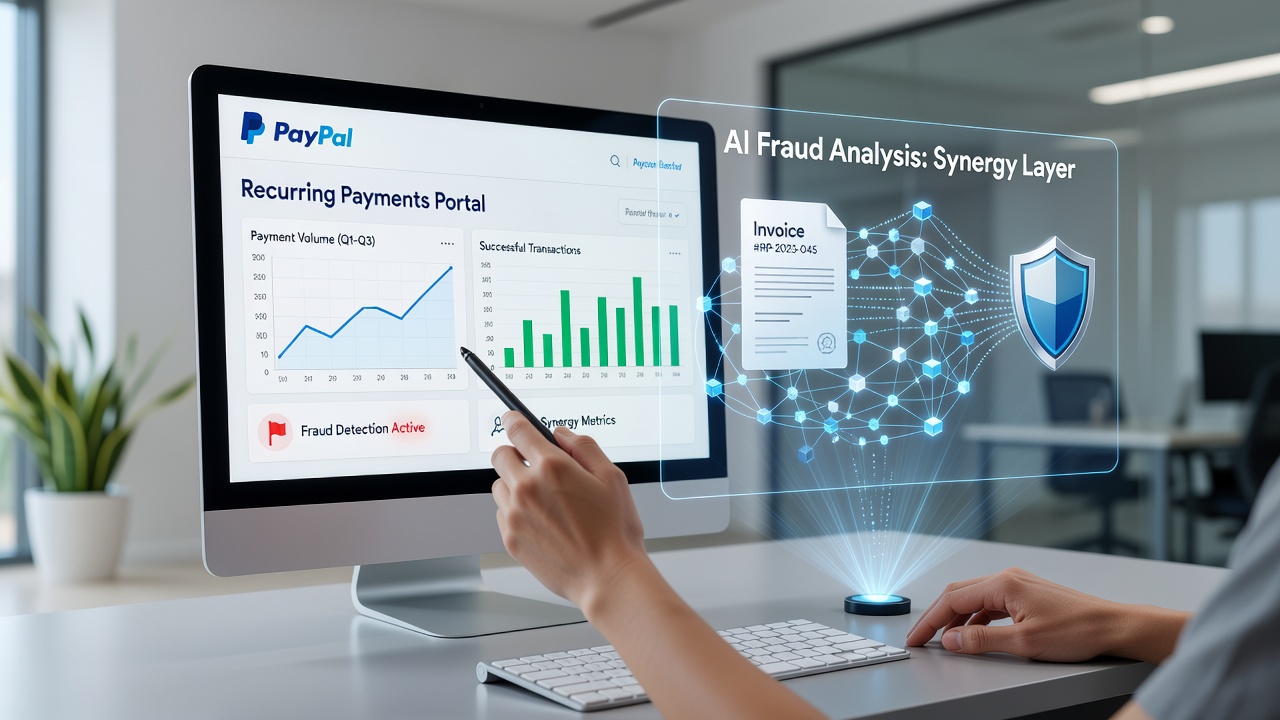
PayPal integration combines automated billing tools with layered security protocols to address challenges in recurring invoice payments, where subscription models generate steady revenue streams yet attract sophisticated fraud attempts. Systems process payments through APIs that schedule charges at intervals while monitoring transaction patterns for anomalies such as unusual velocity or mismatched device data.
Recurring models depend on stored credentials and automated renewals, which increases exposure to account takeover attempts and card testing schemes. Integration allows merchants to leverage PayPal's built-in filters that evaluate risk scores in real time before authorizing each cycle, reducing chargeback rates without manual intervention.
Core Mechanisms of Fraud Detection Within PayPal Systems
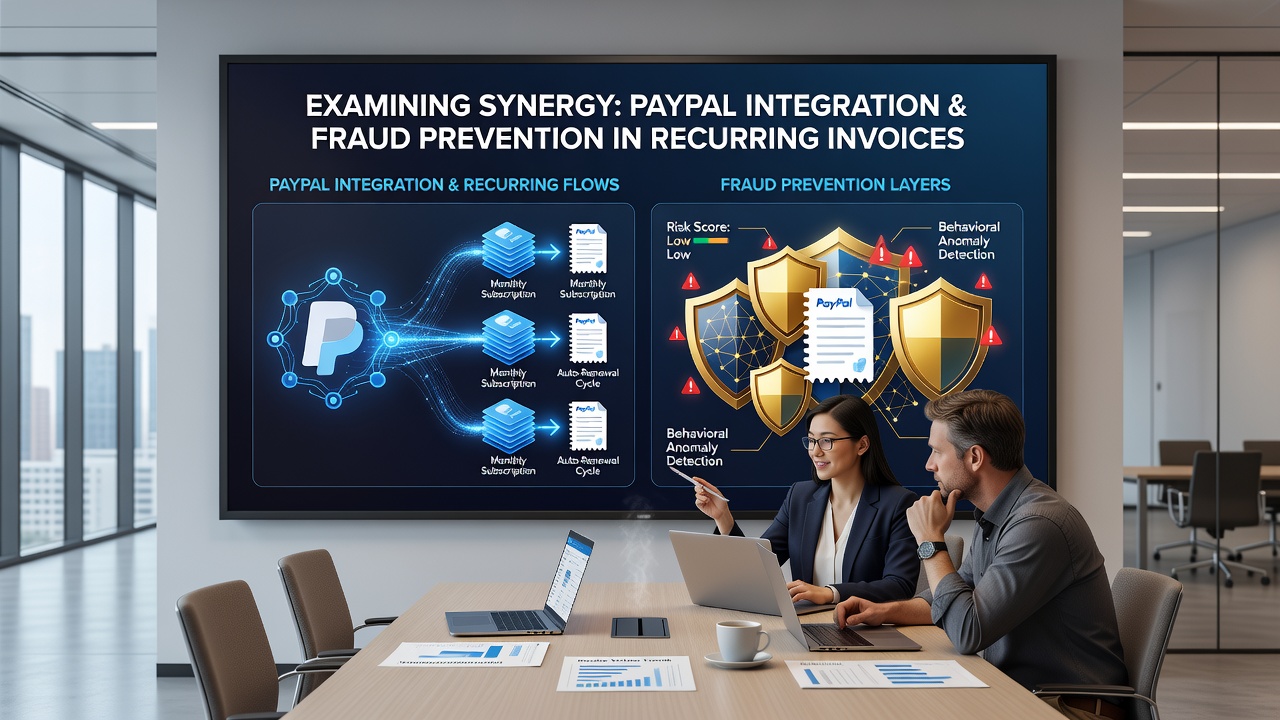
PayPal applies machine learning models trained on global transaction histories to flag suspicious activity during recurring cycles, including sudden changes in billing addresses or IP geolocations that deviate from established customer profiles. These models operate alongside rules-based checks that block payments exceeding predefined thresholds for frequency or amount, creating a dual-layer approach that adapts as new patterns emerge.
Device fingerprinting and behavioral analytics further strengthen defenses by comparing login environments against historical norms, while 3D Secure protocols add authentication steps for higher-risk renewals. Data indicates these combined elements lower fraud incidence in subscription environments by cross-referencing signals across multiple dimensions before funds transfer.
API-Driven Automation for Invoice Handling
Developers integrate PayPal's REST APIs to create recurring profiles that handle invoicing, retries, and dunning sequences automatically. The platform supports webhook notifications that alert systems to payment outcomes, enabling immediate responses such as suspending access or updating stored details when declines occur due to suspected fraud. This setup minimizes human error and accelerates recovery from failed attempts.
Merchants configure retry logic that spaces out subsequent charges while applying updated risk assessments each time, which helps distinguish temporary issues from deliberate fraud. Integration also accommodates multi-currency settlements and regional compliance requirements, allowing businesses operating across borders to maintain consistent fraud controls.
Regulatory Compliance and Industry Data Points
Payment processors must align with standards from bodies like the Federal Trade Commission, which tracks consumer fraud trends across digital transactions, and the European Central Bank, which publishes statistics on card-not-present fraud in the euro area. Integration supports these obligations through features such as transaction logging and consent management that document authorization for each recurring charge.
Reports from the Bank for International Settlements highlight how automated verification reduces disputes in subscription services by ensuring clear records of customer agreements. As of September 2026, updated guidelines from these sources emphasize enhanced monitoring for recurring models, prompting wider adoption of integrated platforms that embed compliance checks directly into billing flows.
Implementation Patterns Observed Across Sectors
Software-as-a-service providers commonly deploy PayPal integrations to manage tiered subscriptions while routing high-volume renewals through enhanced screening. E-commerce platforms handling membership renewals use the same framework to apply graduated responses, from soft declines to full blocks, based on cumulative risk indicators collected over multiple cycles.
One documented case involved a digital media company that reduced unauthorized renewals by configuring PayPal's address verification alongside custom velocity rules, resulting in measurable drops in fraudulent activity according to internal metrics shared with industry analysts. Similar patterns appear in utility billing and insurance premium collections, where predictable payment schedules benefit from the platform's ability to maintain continuity while flagging outliers.
Conclusion
PayPal integration supplies recurring invoice systems with scalable fraud prevention that evolves alongside payment behaviors and regulatory expectations. The combination of API automation, real-time analytics, and compliance tools creates operational resilience for businesses reliant on subscription revenue, while external data from regulatory agencies continues to shape refinements in these processes.