Integrating Automated Fraud Detection with Bank Transfer Capabilities for Recurring Invoice Management in Merchant Accounts
Written by Greta Long · Sep 16, 2026
Integrating Automated Fraud Detection with Bank Transfer Capabilities for Recurring Invoice Management in Merchant Accounts
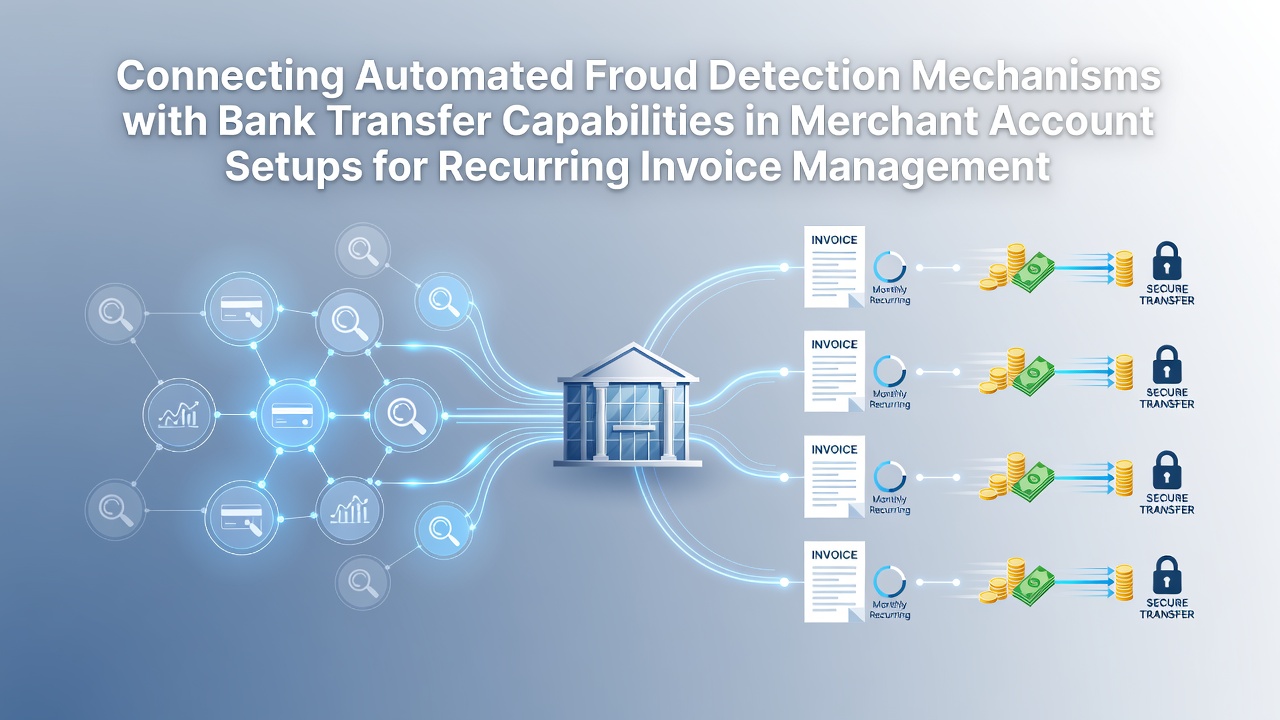
Merchant accounts handling recurring invoices have evolved to incorporate automated fraud detection mechanisms directly with bank transfer functions, and this connection allows real-time screening of transactions before funds move through systems like ACH networks. Data from industry reports show that such linkages reduce unauthorized payments by cross-referencing customer details against historical patterns and risk scores at the point of invoice generation. Researchers at various institutions have documented how these setups operate by pulling signals from multiple sources including device fingerprints, IP addresses, and velocity checks, then applying them to approve or flag bank transfer requests without manual intervention.
Core Elements of Merchant Account Configurations
Merchant accounts designed for recurring billing typically support scheduled pulls from customer bank accounts, while fraud detection layers sit between the invoice system and the transfer processor to evaluate each cycle. Observers note that parameters such as payment amount thresholds, frequency limits, and account age indicators get calibrated during initial setup, and these rules trigger automated holds when anomalies appear. Studies conducted by academic groups reveal that integration points often involve APIs connecting the merchant platform to both the fraud engine and the banking rails, which ensures consistent data flow across components.
Bank transfer capabilities in these environments rely on standardized protocols that authenticate account ownership before recurring authorizations activate, and fraud tools enhance this by adding behavioral analytics that monitor deviations from established customer profiles. Figures from payment network analyses indicate growth in adoption rates through 2025, with further expansions noted into September 2026 as platforms update their compliance modules to handle increased transaction volumes.
Technical Pathways for Detection and Transfer Linkage
Automated systems connect fraud detection outputs directly to bank transfer authorization steps, where a positive risk score permits the ACH debit to proceed while a negative score routes the invoice to review queues or triggers customer notifications. Experts have observed that this process uses tokenization to secure bank details during storage, and machine learning models continuously refine detection accuracy based on outcomes from prior cycles. One case documented by research teams showed a mid-sized subscription service reducing chargeback incidents after embedding these checks into their merchant dashboard.
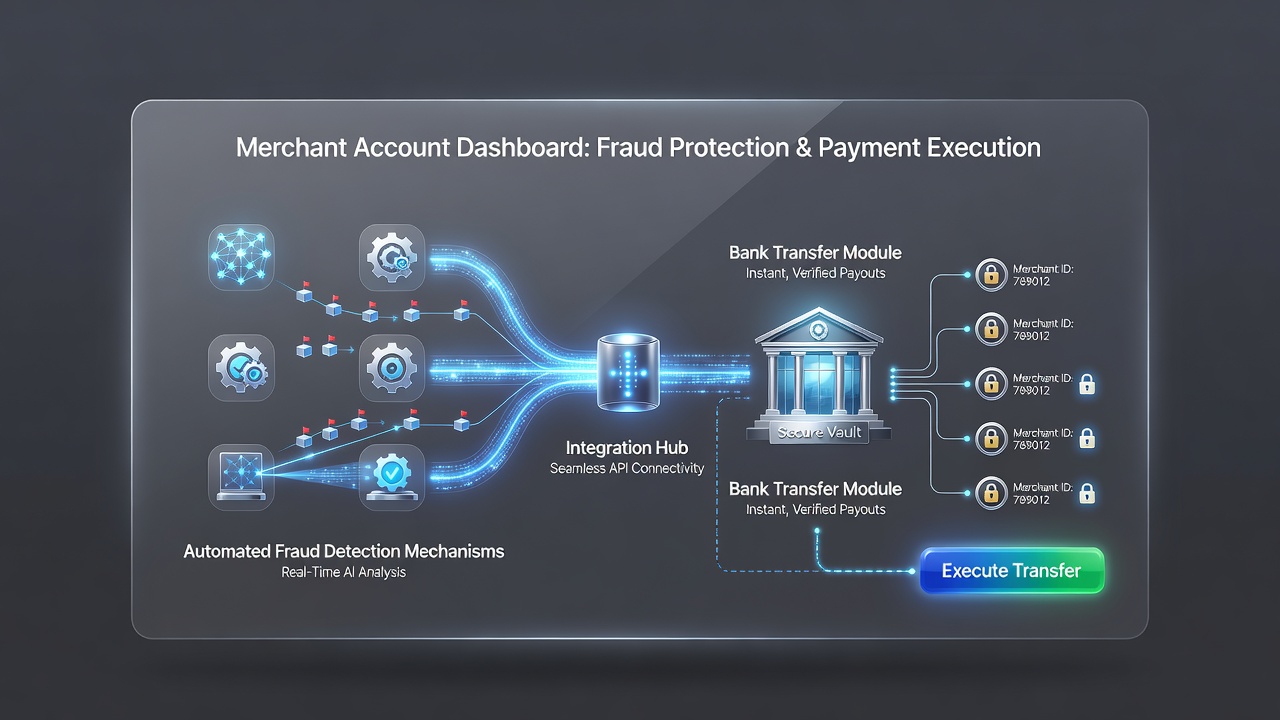
Implementation often begins with mapping data fields between the invoice management software and the fraud platform, followed by testing transfer simulations under varied risk scenarios. Those who've examined these configurations find that fallback options, such as retry logic with adjusted parameters, help maintain revenue continuity while preserving security layers. Regulatory updates in multiple jurisdictions have encouraged this type of connectivity, as evidenced by guidelines from the Federal Reserve on secure ACH practices.
Operational Impacts Across Business Sectors
Businesses managing recurring invoices through these integrated merchant setups report streamlined reconciliation processes because flagged transfers receive immediate attention before settlement occurs. Evidence from sector analyses suggests improvements in operational efficiency when fraud signals align with bank transfer timing windows, allowing corrections during the same billing period. People operating in e-commerce and service industries have adopted similar models, and data shows consistent application across regions with varying payment preferences.
Additional layers sometimes include geolocation verification tied to known customer addresses, which further refines decisions on whether a bank transfer should execute. Research indicates that organizations implementing these connections experience measurable shifts in dispute volumes, particularly when models incorporate seasonal patterns or account change events. As of September 2026, several platforms have released enhanced modules that support multi-currency bank transfers alongside updated fraud scoring algorithms.
Considerations for Scalable Implementation
Scaling these integrations requires attention to latency in fraud checks so that bank transfer processing remains within acceptable windows for customer experience. Technical documentation from solution providers outlines best practices for load balancing across detection servers during peak invoice runs, and testing protocols verify that false positive rates stay low enough to avoid unnecessary interruptions. Observers point to the value of audit trails that log every decision point linking fraud outputs to transfer actions.
Compliance requirements in different markets influence how deeply fraud detection embeds with bank transfer functions, prompting merchant account providers to offer configurable rule sets. A report from the European Central Bank on payment security highlights the role of such linkages in maintaining system integrity across recurring flows.
Conclusion
Connections between automated fraud detection and bank transfer capabilities continue to shape merchant account operations for recurring invoice management, supported by ongoing technical refinements and regulatory alignments. Data trends through September 2026 demonstrate sustained interest in these combined approaches across payment ecosystems. Organizations evaluating options can reference established network resources for implementation details while maintaining focus on verifiable transaction security measures.