Payment Evolution in Merchant Accounts: ACH Networks Pairing with Digital Wallets to Optimize Renewals
Written by Eden Walter · Sep 30, 2026
Payment Evolution in Merchant Accounts: ACH Networks Pairing with Digital Wallets to Optimize Renewals
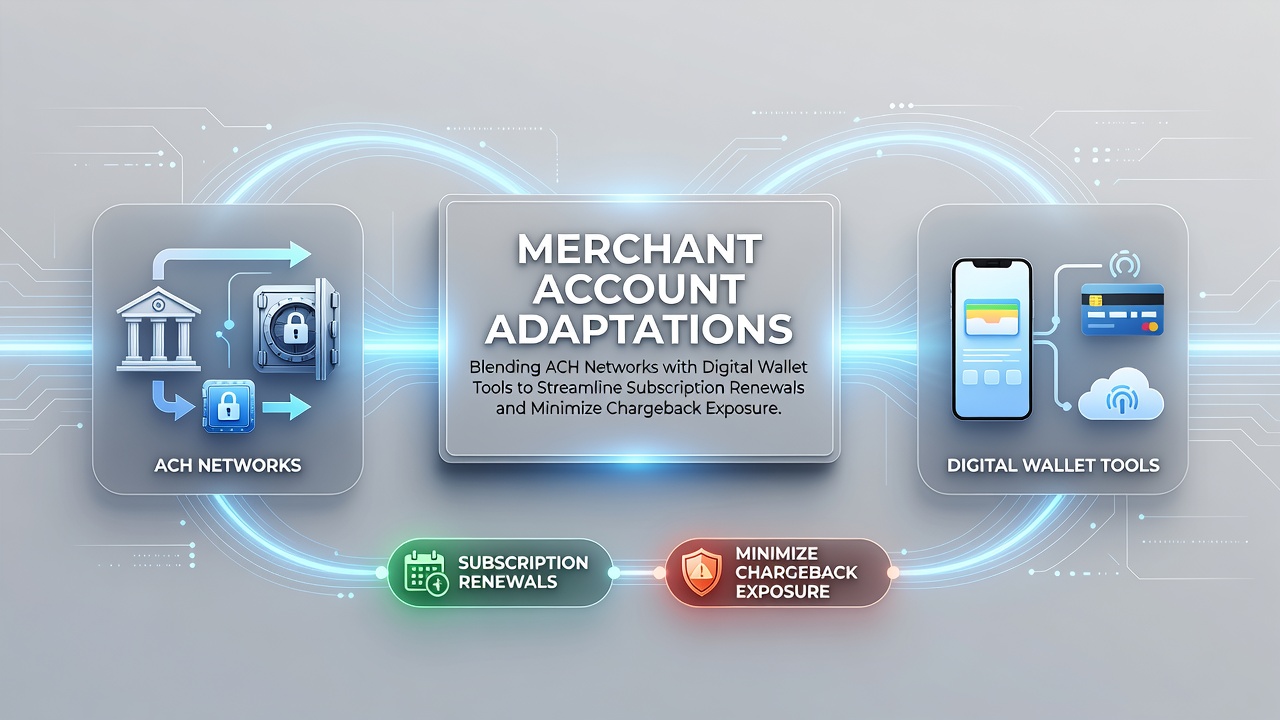
Merchants handling recurring billing continue to adapt their account setups as payment networks evolve, and one approach gaining traction combines ACH transfers with digital wallet interfaces to manage subscription renewals while cutting exposure to disputes. This blending allows businesses to route payments through established banking rails yet present users with familiar wallet options at checkout, which streamlines authorization and settlement processes that once relied solely on card networks.
ACH Foundations in Recurring Scenarios
ACH networks operate through the Automated Clearing House system, which batches and clears electronic transfers between bank accounts across the United States, and researchers tracking payment volumes note that these transfers often carry lower per-transaction costs compared with card processing. Businesses that incorporate ACH for subscriptions benefit from direct debits that reduce reliance on credit or debit cards, whose networks permit easier reversals when customers initiate disputes. Data from industry reports indicates that ACH transactions settled in September 2026 reflected steady growth in subscription categories, particularly among service providers seeking predictable cash flow without the reversal risks tied to card-based recurring charges.
Digital Wallets as User-Facing Layers
Digital wallets store payment credentials and enable one-click approvals, yet when linked to underlying bank accounts they can trigger ACH pulls instead of card authorizations. Observers note that this setup lets customers authenticate through apps or browser extensions while the actual funds move via ACH, which maintains compliance with existing banking rules. Those who have studied adoption patterns point out that wallets reduce friction during renewal cycles because users avoid re-entering account details each period, and integration layers handle tokenization to keep sensitive routing numbers secure on merchant systems.
Technical Integration Points for Merchants
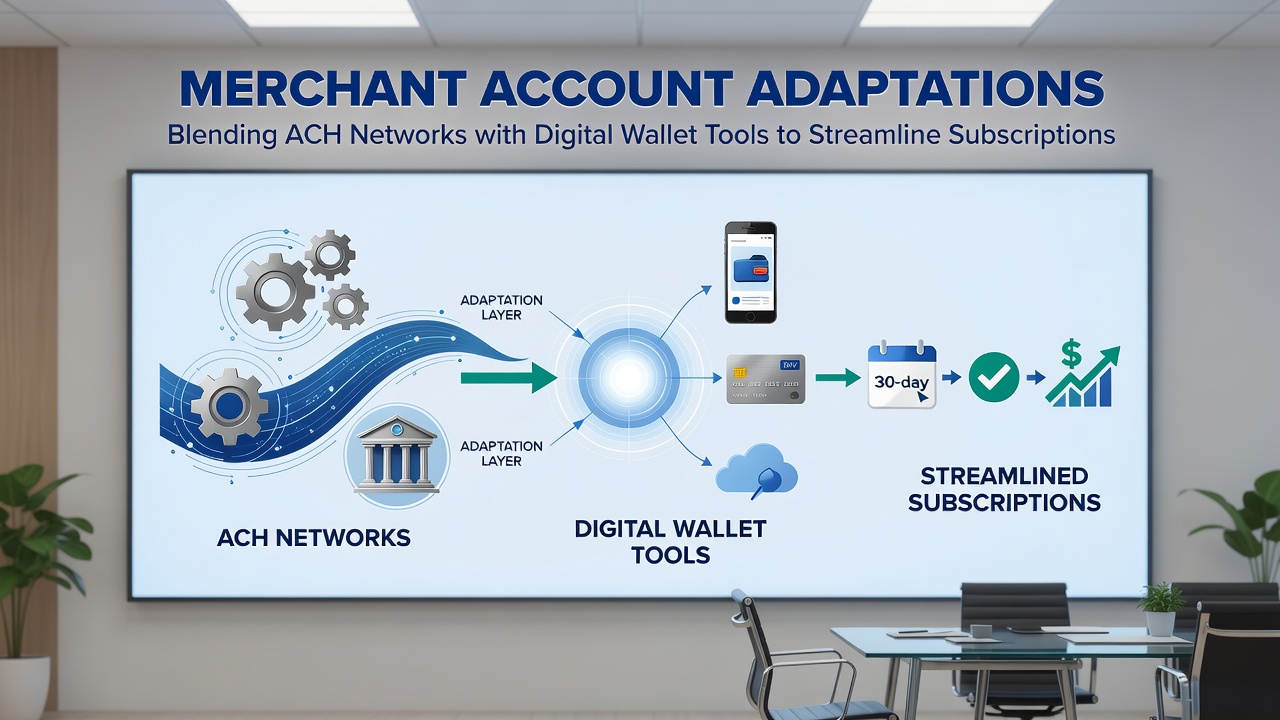
Account adaptations typically involve gateway providers that connect wallet APIs to ACH processors, allowing a single subscription profile to switch between methods based on customer preference or risk signals. When a renewal approaches, the system checks wallet-linked bank details, initiates an ACH request, and confirms settlement within standard clearing windows that span one to three business days. This flow supports automated retries if initial attempts fail due to insufficient funds, while maintaining records that align with NACHA operating rules. NACHA guidelines emphasize authorization requirements that help merchants document consent and lower the likelihood of unauthorized transaction claims.
What's interesting is how these combined systems address timing mismatches, because ACH settlement occurs on banking schedules whereas wallets often provide instant confirmation to the customer. Merchants configure rules that queue ACH batches overnight, which aligns renewals with business-day processing and gives both parties clear visibility into expected debit dates.
Chargeback Exposure and Mitigation Patterns
Card networks allow chargebacks for reasons ranging from fraud to dissatisfaction, yet ACH transactions follow different resolution paths governed by banking regulations that limit reversal windows and require specific documentation. Figures from payment studies reveal that merchants shifting renewals to ACH-linked wallets experience fewer disputes overall, since bank transfers lack the same consumer protections that apply to cards. Integration tools add verification steps such as micro-deposit confirmations or wallet-level authentication, which create audit trails that support dispute defense when needed. Those who've examined merchant data across regions observe similar patterns in both North American and European markets where hybrid setups appear.
Implementation Examples Across Sectors
One subscription software provider adjusted its merchant account to route monthly user fees through wallet-initiated ACH pulls, resulting in documented reductions in failed payments and associated recovery costs according to internal metrics shared with analysts. Another case involved a streaming service that offered customers the option to link digital wallets to bank accounts, which increased successful renewal rates while decreasing the volume of card disputes processed through traditional channels. These adaptations required updates to existing billing engines but leveraged standard APIs that connect wallet providers with ACH originators without custom development from scratch.
Reserve Bank of Australia analyses of payment trends highlight how similar hybrid models support recurring billing in markets outside the US, where local equivalents of ACH combine with wallet interfaces to achieve comparable efficiency gains. Reserve Bank of Australia reports document rising volumes in automated bank transfers for subscription services, underscoring the broader applicability of these account adjustments.
Future Adjustments and Standards Updates
As payment standards continue to shift, merchants monitor regulatory changes that affect both ACH operating rules and wallet security requirements, particularly those scheduled for review cycles around late 2026. Account providers that maintain flexible routing logic can accommodate new authentication mandates without disrupting ongoing subscription flows, which keeps renewal success rates stable even as compliance layers evolve.
Conclusion
Merchant accounts that blend ACH networks with digital wallet tools demonstrate measurable advantages in handling subscription renewals through reduced processing costs adn lower dispute volumes. The approach relies on established banking infrastructure paired with consumer-friendly interfaces, allowing businesses to adapt existing systems while meeting customer expectations for seamless payments. Data continues to track adoption across sectors, providing ongoing benchmarks for those evaluating similar account configurations.